If you have computers, tablets, monitors, or networking equipment you no longer use and would like them to retain an educational purpose, the first step is not promising them to a particular school. It is confirming that they are safe, still have a viable use, and can follow a responsible assessment path.
Crezendo receives inquiries from individuals and companies interested in donating used technology. An assessment can identify equipment with possible value for learning, technical practice, or components. That does not guarantee that every device will be repaired or delivered to a specific public school.
Why access to computers still matters
Having used the internet and having used a computer are different conditions. Panama's INEC 2023 Census reported that, among people age 4 and older, 68.5% had used the internet and 36.0% had used a computer. The indicator does not measure school equipment, individual ownership, or frequency of use; it compares two forms of access rather than describing any one person's experience.
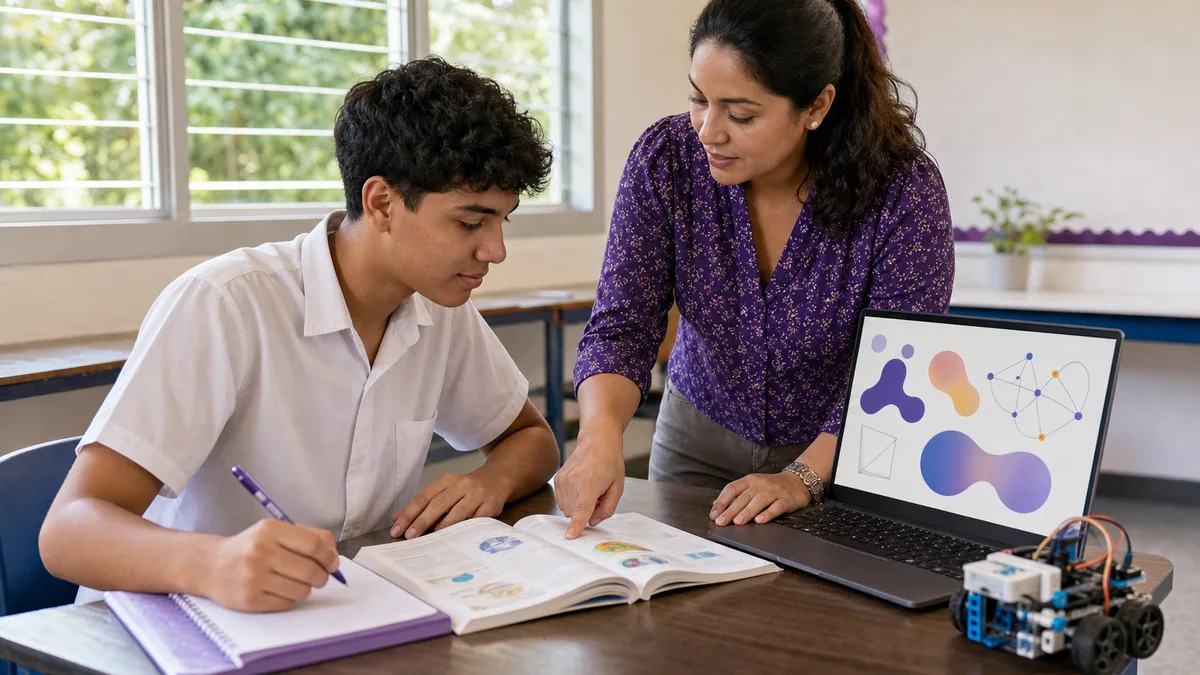
A suitable device may support productivity software, programming, research, design, repair, or lab work. Usefulness requires more than turning on: the equipment must be compatible with the activity, include essential accessories, and be reasonably maintainable.
Where to start a donation intended to support public education
Start on Crezendo's donation page. Describe the equipment and its condition before moving it. Crezendo can assess its possible educational or technical value and discuss the next step. Asking first avoids transporting batches that do not match current needs or capacity.
The path is intentionally cautious:
- inventory the equipment and accessories;
- disclose known faults, locks, and physical hazards;
- protect the data on each device;
- ask Crezendo before coordinating a handoff;
- define a destination only after assessment.
What equipment may retain educational value
Every case needs assessment, but these categories may have possible uses:
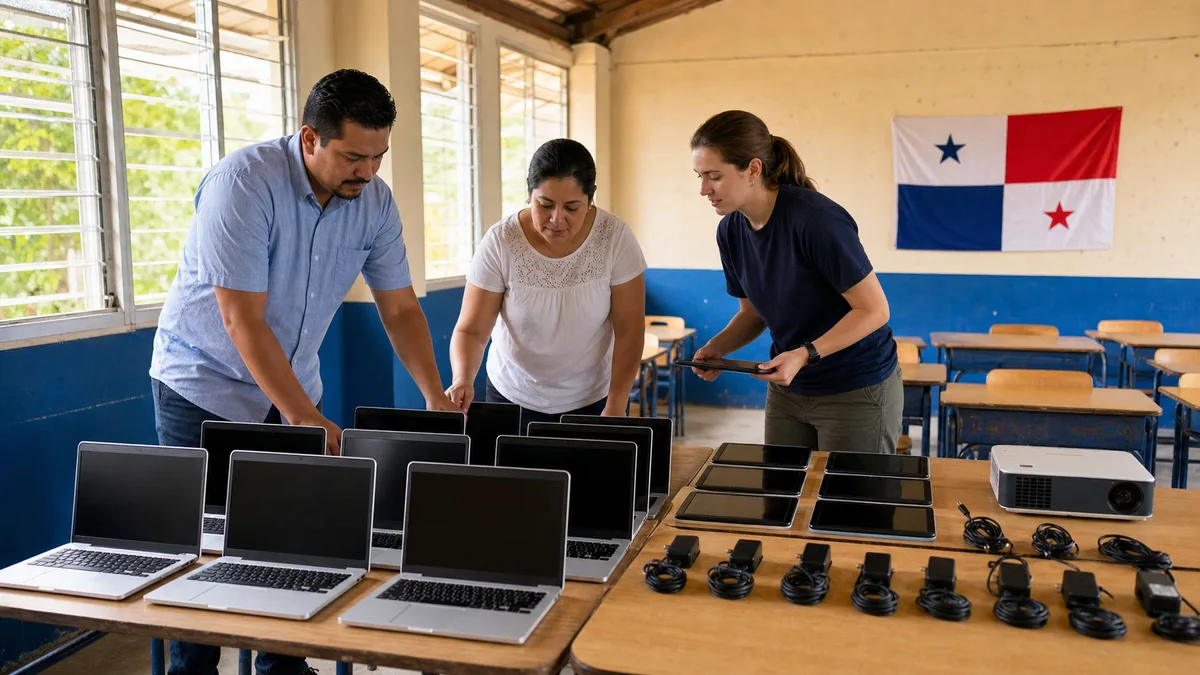
- Laptops and desktop computers: practicing digital tools, diagnostics, or repair.
- Tablets and phones: compatible learning content, testing, or technical practice.
- Monitors, keyboards, mice, chargers, and cables: completing existing workstations when functional and compatible.
- Networking equipment: isolated labs for configuration and infrastructure fundamentals. See the guide to donating used routers and network switches.
- Kits and single-board computers: electronics, programming, and prototyping. Review how to donate Raspberry Pi kits for technology education.
- Projectors and projection screens: audiovisual support when brightness, ports, lamp, screen surface, and accessories remain suitable.
This list is not automatic acceptance. Age, safety, parts, power use, compatibility, and an actual need matter more than the category alone.
If you want to donate a projector or projection screen
Projectors and screens need a somewhat different assessment from a computer. Before coordinating a handoff, share the brand and model and, as far as you can do so safely, check:
- whether the projector powers on and maintains a stable image;
- whether the image retains enough brightness and focus for a classroom or training space;
- which inputs are available, such as HDMI, VGA, or USB when applicable to the model;
- whether it includes its power cable, remote control, adapters, case, or mount;
- whether the device reports lamp hours or a lamp-replacement warning;
- whether there are noisy fans, overheating, impacts, loose ports, or other known faults;
- for a manual, tripod, or motorized projection screen, whether the surface is reasonably clean and intact and whether the mechanism opens and closes correctly.
Do not buy a lamp, remote, or adapter solely to make the equipment donatable without asking first: on an old model, a replacement may cost more than the educational value it restores. Do not promise that it will go directly to a school either. Crezendo can assess whether the set has a reasonable use for training, audiovisual support, technical practice, or components and then confirm the possible route.
If the projector does not power on, disclose the known fault and avoid opening its power supply or working inside the unit without appropriate technical preparation. If you are also donating a laptop, media player, or another device with storage, apply the data-protection steps described below separately.
What condition can the equipment be in?
You do not need to diagnose it as a technician, but you should describe what you know:
- Does it power on and complete startup?
- Does it include its charger, power supply, or special cables?
- Is the screen, a port, or the enclosure damaged?
- Is the battery swollen, punctured, or unusually hot?
- Is an account, password, or activation lock still enabled?
- Is a drive, memory module, or another part missing?
The EPA recommends removing batteries when possible and managing them separately; do not power or charge a swollen battery. Secure loose parts and label accessories. Incomplete equipment may retain value for practice or parts, but only an assessment can determine that.
Protect your data before donating
Back up anything you need, sign out, and unlink accounts. Do not share personal passwords. NIST SP 800-88 Rev. 2 states that sanitization should make access to the target data infeasible for the expected level of effort; deleting files or performing a superficial reset does not always achieve that outcome.
The appropriate method depends on the device, storage technology, and sensitivity of the information. For a company asset, follow the organization's security policy and preserve any required evidence. If you still need files recovered, complete that work before donating.
How to assess possible school use
A responsible assessment can separate several paths without promising in advance which one applies:
| Possible outcome | Key question |
|---|---|
| Direct use | Is it safe, compatible, and sufficient for the intended activity? |
| Reasonable repair | Do the fault, cost, and available parts justify recovery? |
| Technical practice | Can it be used in isolation to learn diagnostics, repair, or configuration? |
| Components | Are there safe, useful parts for completing or studying other equipment? |
| End of life | Is there no longer a safe and reasonable way to use it? |
Space, electricity, connectivity, support, and the people who will guide its use also matter. A responsible donation avoids transferring the cost of solving unsuitable equipment to a school.
How equipment may support educational activities
Hardware supports learning when it connects to a concrete activity. A computer may be used to practice documents or programming; a switch, in an isolated lab; a device with a known fault, for diagnostic practice. These are possibilities, not documented impact stories.
The article on the social impact of donating used technology explains how to document results without inventing beneficiaries, jobs, or academic improvements. Crezendo should not promise a school, student, or delivery date until the equipment and actual coordination are confirmed.
Company donations and CSR programs
A company replacing several assets needs more controls than an individual donor. Agree on the inventory, serial numbers where applicable, declared condition, sanitization policy, responsible contacts, and receipt evidence. The guide to technology donation as a CSR strategy develops that planning.
Do not treat tax deductions, pickup, impact certificates, or nationwide coverage as automatic. Those items must be confirmed for the specific case and, for tax treatment, reviewed by a qualified professional.
What if the equipment cannot be reused?
The ITU recommends preventing waste through reuse and repair before recycling. If assessment finds no safe use, reasonable repair, or useful components, the equipment needs responsible e-waste management.
Assessing first protects two goals: recovering hardware that still serves a purpose and avoiding the transfer of waste or hazards to a school.
Frequently asked questions
Can I donate a computer even if it is not recent?
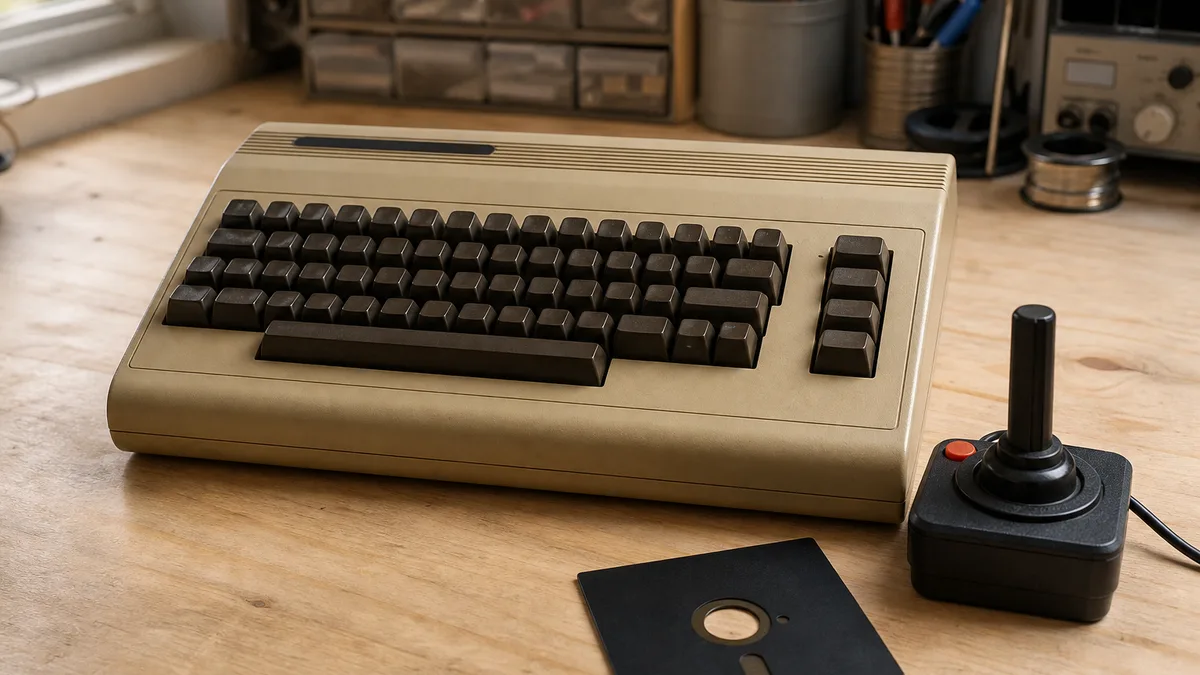
You can ask about it. Age alone does not decide: safety, condition, compatibility, parts, and a possible educational or technical use all matter.
What if I do not know whether it works?
State that its condition is unknown and describe any visible signs. You do not need to invent a diagnosis; assessment will determine the possible path.
Does Crezendo guarantee delivery to a particular public school?
That should not be assumed. A specific assignment depends on equipment assessment, verified needs, and available coordination. Ask before handoff if you have a particular condition.
How do I start the donation?
Use Crezendo's donation page and share a short inventory, known condition, and your location before transporting the equipment.