What to do with an old smartwatch in Panama: reuse, donate, or recycle
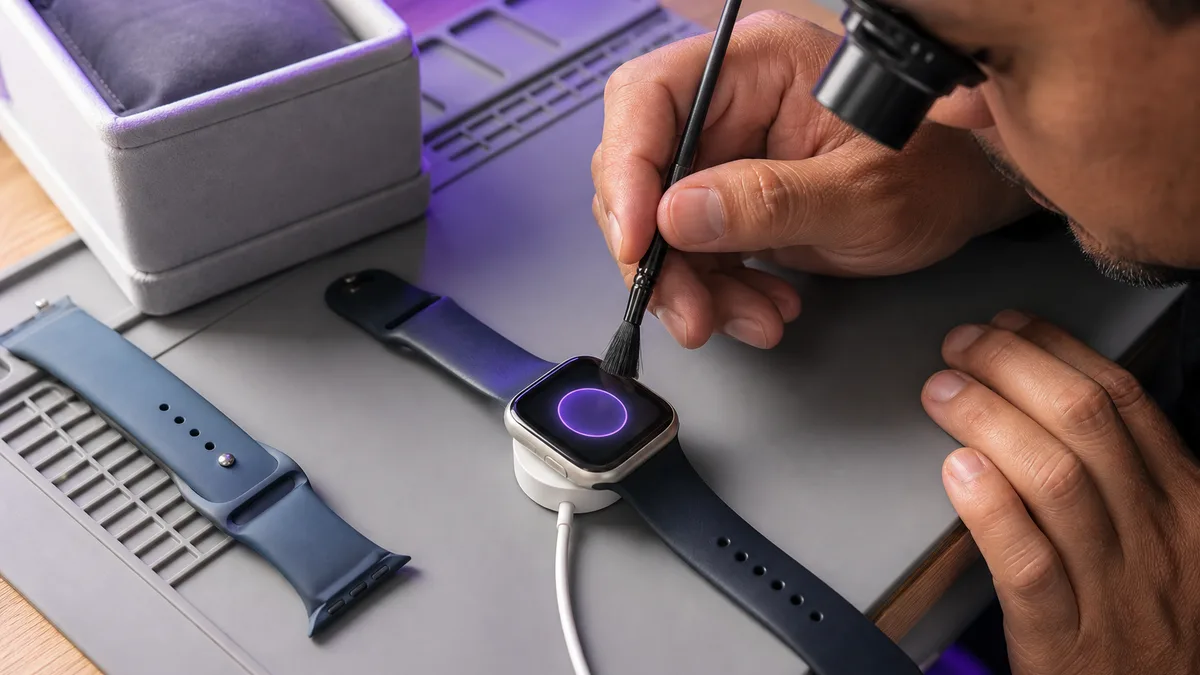
An old smartwatch does not automatically need to become trash or an improvised donation. Before deciding, separate four questions: Does it still work? Are its data and accounts ready for transfer? Is the battery safe? Is there someone who can actually use it?
The answer may be to keep using it, sell it, give it away, ask about donation, or send it through an appropriate recycling channel. The important part is to choose based on the watch's real condition rather than assume every destination works for every device.
1. First decide whether it still has a useful second life
If the watch powers on, charges normally, and still provides functions you use, keeping it in service is usually preferable to discarding it. Depending on the model and its current compatibility, it may still work as:
- a secondary watch for exercise, alarms, or timers;
- a device for music, notifications, or activity tracking when those functions remain supported;
- a backup while another watch is charging or being repaired;
- a device to give away or sell if it can still be properly linked to a new account.
Not every model supports the same uses. A feature available on an Apple Watch, Galaxy Watch, or another device should not be assumed to exist on every older smartwatch. Check the manufacturer's current documentation before buying accessories or spending time on a specific reuse idea.
2. Prepare your data before selling, giving away, or donating it
A smartwatch can hold personal information, credentials, notifications, activity data, and links to other services. That is why a factory reset by itself is not always the whole transfer process.
Before handing it to someone else:
- Back up anything you want to keep.
- Review payment cards, credentials, accounts, and connected services.
- Unpair the watch from the phone and primary account using the manufacturer's official procedure.
- Perform the erase or factory reset specified for your model.
- Confirm that the device is no longer associated with your account when the platform uses Activation Lock or a similar mechanism.
On some platforms, erasing the watch and removing the account link are separate steps. If you cannot complete them because the device will not start or is damaged, say so before handing it over. Our guide on erasing data before donating a device explains the broader process in more detail.
3. The battery can change the decision
Many smartwatches use rechargeable lithium batteries. If the watch becomes unusually hot, the case begins to separate, the battery appears swollen, or the device has serious physical damage, do not keep charging it for “one more test,” and do not puncture, bend, or remove the battery without the appropriate knowledge and tools.
A device with a damaged battery needs specialized handling. Lithium batteries and devices containing them should also not be placed in household trash or a municipal recycling bin mixed with paper, plastic, and glass.
If the watch is physically stable and its battery simply has poor runtime, that does not automatically mean it is dangerous; it does mean that its usefulness and repair cost should be assessed realistically.
4. Does donating it to Crezendo make sense?
It may, but ask before bringing or shipping it.
Crezendo receives different kinds of electronics for education and technical practice, but an inquiry does not mean every smartwatch is automatically accepted or guarantee a specific final use. The model, condition, battery, accessories, and available capacity can affect the decision.
For a useful assessment, prepare:
- brand and model;
- whether it powers on and charges;
- the condition of the screen, buttons, and sensors;
- battery condition and any visible damage;
- a compatible charger or dock, if you still have it;
- clear photographs;
- whether you completed data erasure and account unlinking.
Then use Crezendo's donation page and wait for confirmation before transporting or shipping the watch. If the device is not a fit, the assessment can help you decide whether to keep it, repair it, sell it, or use a responsible recycling route.
5. Selling or giving it away can also be a good outcome
If the smartwatch works, still has the support needed for its intended use, and can be properly unlinked, selling or giving it away can extend its life without requiring another new device.
Before listing or handing it over:
- describe the battery's real runtime;
- disclose impacts, a cracked screen, faulty sensors, or other known problems;
- include the charger only if it is compatible and safe;
- do not promise compatibility with phones or operating-system versions you have not checked;
- finish account unlinking before the new owner tries to set it up.
Some manufacturers also offer trade-in programs for certain models and markets. Check current terms directly with the brand rather than assume a program available elsewhere operates the same way in Panama.
6. When recycling makes more sense
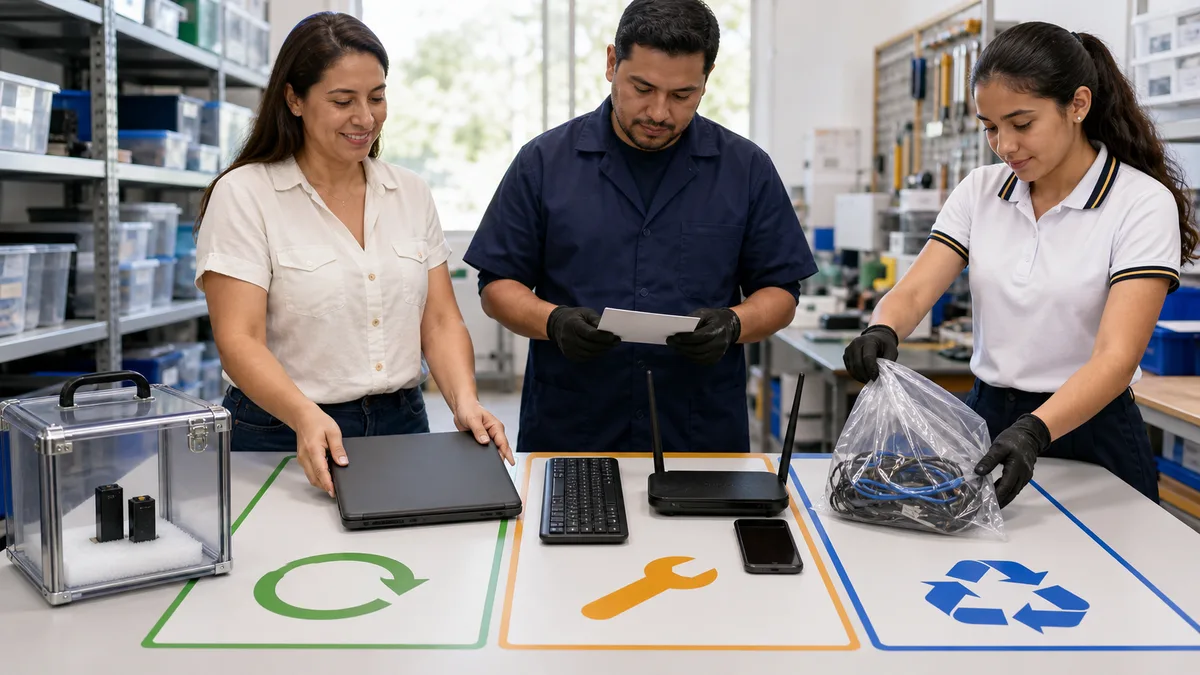
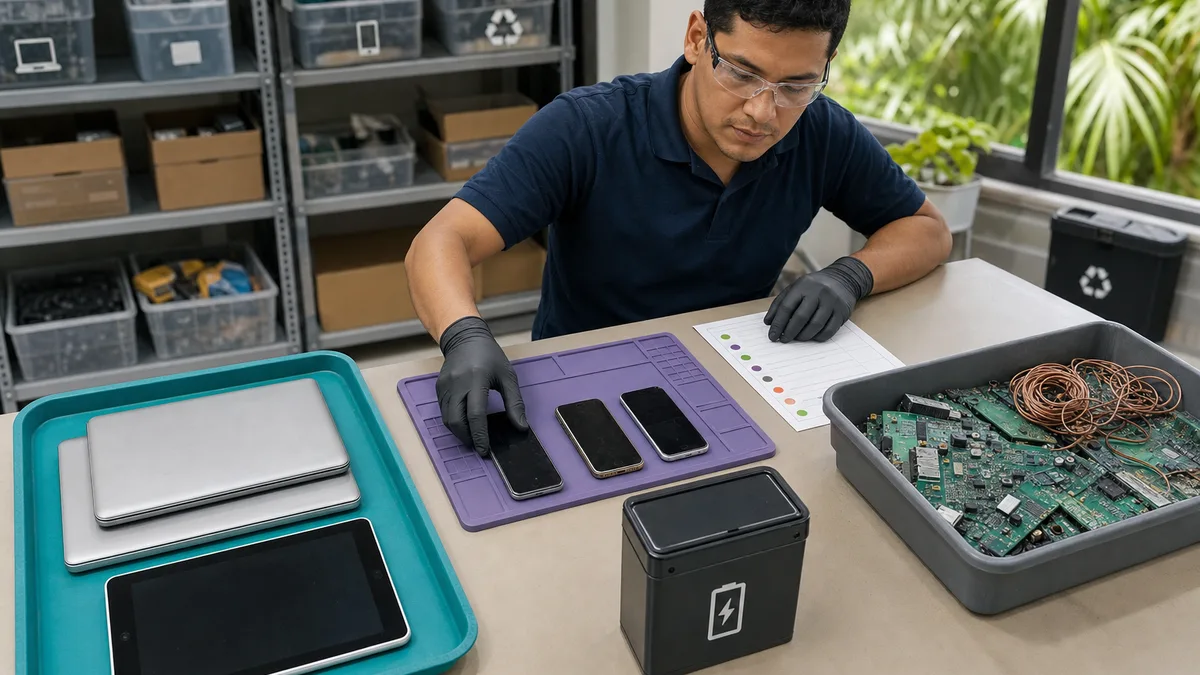
Recycling is reasonable when the watch no longer has a safe or practical reuse, cannot be transferred usefully, and there is no suitable donation path.
In that case:
- look for a handler or collection point that accepts the relevant electronics and battery type;
- confirm its intake requirements before transporting the device;
- separate accessories that can still be reused;
- disclose battery damage, deformation, or abnormal heating;
- avoid dismantling the watch merely to separate materials unless you have the necessary training.
For the broader decision process in Panama, see our guide to donating electronics and deciding when responsible recycling is appropriate.
A simple order for deciding
Think in this order:
- Keep using it if it is still useful and safe.
- Sell or give it away if someone else can use it.
- Ask about donation if it may provide educational or technical value.
- Recycle it responsibly when there is no reasonable second life left.
You do not need to invent a use to justify keeping an obsolete device, and you should not assume that “donating” automatically solves the end of life of every electronic product. The best decision preserves value when value remains and manages the device carefully when it does not.
Frequently asked questions
Does Crezendo accept every old or broken smartwatch?
Do not assume so. First send the model, condition, photographs, and battery condition through the donation page. Crezendo can confirm whether the case can be evaluated and how to proceed.
Is a factory reset enough?
Not always. Depending on the manufacturer, you may also need to unpair the watch from the account, remove Activation Lock or similar protections, and disconnect associated services. Follow the official procedure for your model.
Can I donate a smartwatch that will not power on?
You can ask, but clearly state that it does not power on and that you could not verify or erase the data. The inquiry does not guarantee acceptance.
Should I throw a smartwatch with a lithium battery in the trash?
No. Devices containing lithium batteries require an appropriate handling route and should not be mixed with household trash or ordinary municipal recycling.