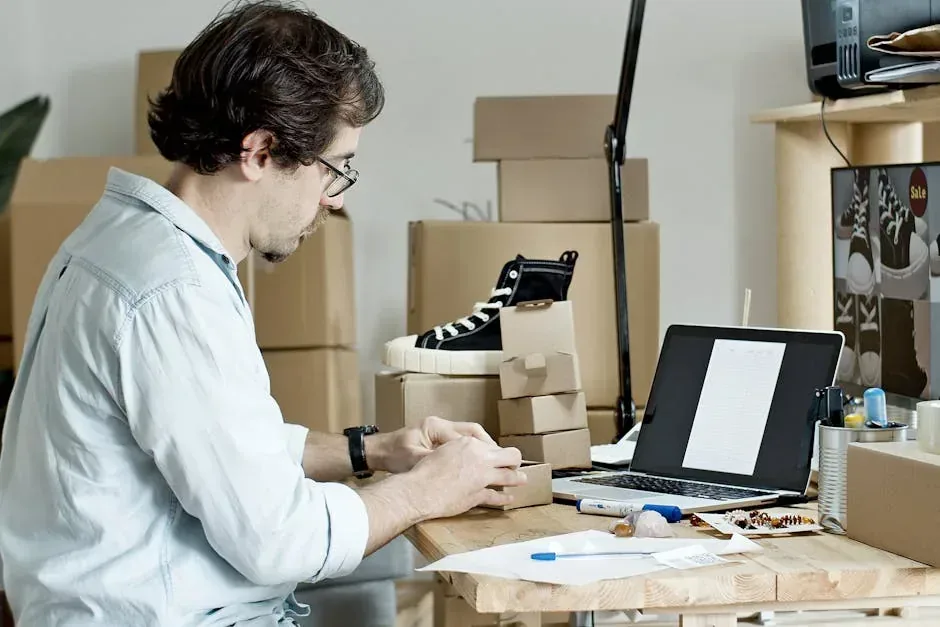
Starting an online store in Panama sounds complicated, but the reality is it has never been more accessible. With a dollarized economy, a privileged geographic position as a regional logistics hub, and rapid growth in online shopping, the country offers ideal conditions for anyone looking to jump into e-commerce. If you're thinking about selling products or services online from Panama, this guide walks you through everything you need to know, step by step.
Why Panama Is Ideal for E-commerce
Panama has competitive advantages that few countries in the region can match. Its position as the logistics hub of the hemisphere, with the Panama Canal and free trade zones like Colón, allows for efficient merchandise movement. The dollarized economy eliminates exchange rate risk and facilitates international transactions. Additionally, internet penetration and smartphone usage grow every year, meaning more digital consumers with purchasing power.
According to recent data, over 70% of Panamanians with internet access have made at least one online purchase. That number is only going up.
Choosing Your Product and Business Model
Before opening a store, define what you're going to sell and how. The most common models in Panama are:
- Own inventory: you buy products wholesale and ship them directly. More control, higher initial investment.
- Dropshipping: you sell without holding inventory; a supplier handles shipping. Ideal for starting with little capital.
- Digital products: courses, templates, ebooks. No shipping costs and high margins.
- Services: consulting, design, web development. E-commerce isn't just physical products.
Research your market. Use tools like Google Trends to see what's being searched in Panama and validate that there's real demand before investing.
Legal Requirements for Selling Online in Panama
Selling online doesn't exempt you from complying with the law. These are the key steps:
- Register your business: with Panama's Public Registry. You can operate as a sole proprietor or incorporate an LLC or corporation, depending on the size and projection of your business.
- RUC and permits: obtain your Tax ID (Registro Único de Contribuyente) from the DGI. If you sell products subject to ITBMS (sales tax), you need to be current with your tax obligations.
- DICOM: the Directorate of Investigation and Consumer Protection requires your online store to display clear prices, return policies, and visible contact information.
- Privacy and data: if you collect personal data from customers, you must comply with Panama's personal data protection regulations. Include a clear privacy policy on your site.
You don't need a lawyer to get started, but tax advice is recommended as your sales volume grows.
Best Platforms for Your Online Store
Choosing the right platform depends on your budget, technical skills, and product type:
- Shopify: the most popular option for beginners. Plans start at $39/month, with professional templates and support for international payment gateways. No coding required.
- WooCommerce (WordPress): free, but you need hosting and some technical knowledge. Fully customizable with no per-sale commissions.
- MercadoLibre: ideal if you want to leverage the platform's existing traffic. Sales commissions but no initial marketing investment.
- Instagram and Facebook Shops: perfect for starting with visual products (clothing, accessories, food). Direct purchasing from social media is growing rapidly in Panama.
If you're just starting out, Shopify or an Instagram shop are the fastest paths to validating your business idea. For a more technical approach with full control, our guide on digital entrepreneurship in Panama can help you define your strategy.
Payment and Logistics Solutions
Payment Gateways
Accepting online payments is one of the biggest challenges in Panama, but there are now solid options:
- Stripe: available in Panama, accepts international credit and debit cards. Ideal for WooCommerce or Shopify stores.
- PayPal: still the most widely used option. Easy to set up and trusted by buyers.
- Local gateways: some Panamanian banks offer electronic payment solutions. Research your bank's options.
Logistics and Shipping
Product delivery is where many businesses fail. In Panama, you have several options:
- Correos de Panamá: affordable but slow. Useful for shipments outside the capital.
- Private couriers: companies like Cargo Express, Mail Boxes Etc., and local couriers offer fast deliveries within the city with tracking.
- Local delivery: if you sell in Panama City, offering personalized delivery or pickup points builds trust and reduces costs.
Clearly define your shipping policies: estimated times, costs, and geographic coverage. Transparency here prevents complaints and returns.
Digital Marketing Strategies That Work
Having an online store is useless if no one visits it. These are the strategies that generate results in Panama:
- Social media: Instagram and TikTok are the platforms with the highest engagement in Panama. Post product content, testimonials, and behind-the-scenes material.
- Google Ads: invest in ads for searches related to your products. In Panama, Google Ads competition is relatively low, meaning better cost-per-click rates.
- SEO: optimize your site with local keywords like "buy [your product] in Panama." Organic traffic is free and sustainable long-term.
- Email marketing: capture customer emails and send them offers, news, and useful content. It's the channel with the highest ROI.
- Local influencers: collaborate with Panamanian micro-influencers who have your target audience. It's more affordable and effective than traditional advertising.
To boost your productivity creating content and managing campaigns, learn how to use ChatGPT for productivity and get the most out of AI tools.
Common Mistakes to Avoid
Many entrepreneurs make avoidable mistakes that stall their growth:
- Not researching the market: launching without knowing if there's real demand. Validate with data, not assumptions.
- Ignoring mobile users: over 80% of online purchases in Panama happen on mobile. If your store doesn't look good on phones, you're losing most of your customers.
- Poor product photos: a low-quality image destroys trust. Invest in good lighting and sharp photos, or hire someone who knows how to do it.
- Not having clear policies: lack of information about returns, shipping times, and contact generates distrust. Publish everything from day one.
- Trying to do everything alone: delegate what isn't your strength. Design, accounting, logistics... there are areas where investing in professional help saves money long-term.
Your Next Step
Starting an e-commerce business in Panama is a smart decision. The tools are available, the market is growing, and barriers to entry are lower than ever. What makes the difference between those who succeed and those who give up is preparation.
At Crezendo, we train entrepreneurs and professionals in digital skills, marketing, and web development. If you want to launch your online store or need training to grow in the digital world, contact us and we'll tell you how we can help.