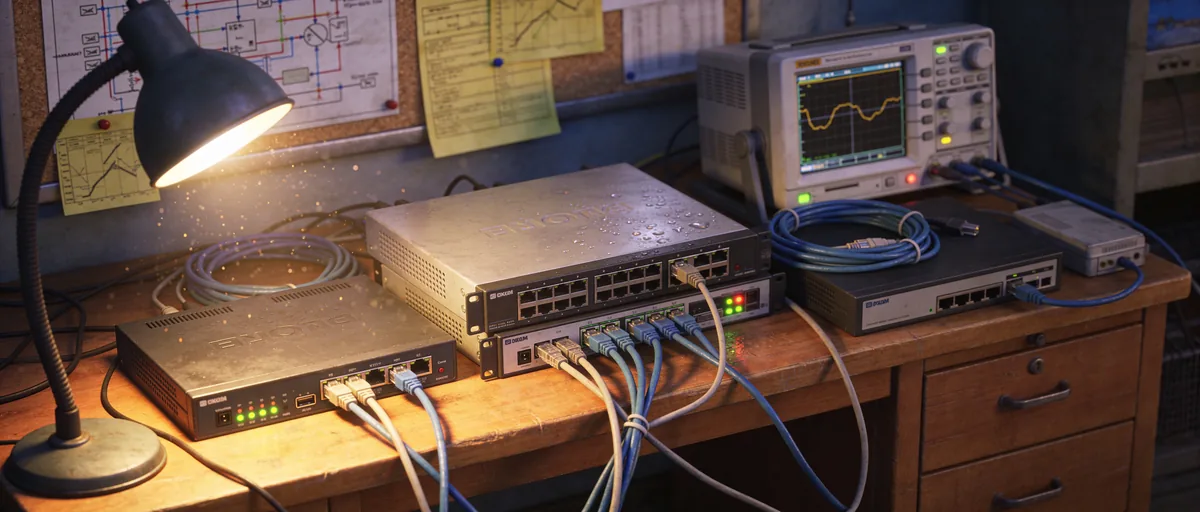
An insecure WiFi network can expose sales systems, cameras, payment devices, and shared files. For a small business, security begins with simple settings that must be reviewed regularly.
What to learn first
To make a secure WiFi network for small businesses practical instead of theoretical, start with foundations that can be practiced and measured:
- Change the router administrator username and password.
- Use WPA2 or WPA3 with a long, unique passphrase.
- Separate the guest network from administrative devices.
- Update firmware and disable WPS when possible.
The goal is not to memorize tool names. The goal is to explain what problem needs to be solved, what data or resources are required, and how the team will verify that the solution works.
A practical learning path
Good progress combines short explanations, guided practice, and a visible deliverable. For a secure WiFi network for small businesses, a realistic path is:
- Draw which devices connect to the network and what they are used for.
- Create a new password and store it in a controlled place.
- Enable a guest network for customers and vendors.
- Review connected devices and configuration changes every month.
Every step should leave evidence: a spreadsheet, a repository, a dashboard, a policy, a documented conversation, or a small solved case. That is how learning becomes operational capability.
Common mistakes
- Sharing the same key with employees, customers, and vendors.
- Keeping the factory network name and password.
- Forgetting cameras, printers, or point-of-sale devices connected to WiFi.
These mistakes can be corrected when training includes coaching, review, and clear objectives. For small organizations in Panama, the best starting point is usually a real team problem, not an abstract agenda.
How Crezendo can help
Crezendo can turn a secure WiFi network for small businesses into a practical workshop for students, professionals, NGOs, or corporate teams. We adapt examples, exercises, and follow-up to the group's level so the learning ends in a concrete improvement, not just a presentation.
If your organization wants to work on a secure WiFi network for small businesses, the next step is to define the objective, the group's profile, and the expected training outcome.