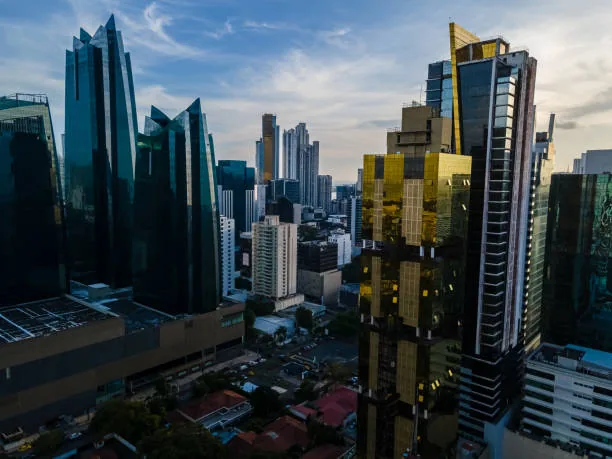
Cybersecurity for Small Businesses in Panama: Essential Guide and Training
If you run a business in Panama and think cybercriminals only target big banks or multinational corporations, it's time to rethink your strategy. According to recent reports, micro, small, and medium-sized enterprises (SMEs/MSMEs) in Panama are now the favorite targets for hackers. The reason? Attackers assume (often correctly) that these companies have fewer barriers to protection, limited budgets, and staff with little digital security training.
In a country rapidly moving towards total digitalization, where the use of online banking, electronic invoicing, and social media for business is the norm, cybersecurity has stopped being a luxury for "tech companies" and has become a basic necessity for survival for any commercial local, law firm, or neighborhood shop. In this guide, we explain how to protect what you've built without it costing you a fortune.
Why Cybersecurity is Crucial for SMEs in Panama
SMEs represent the backbone of the Panamanian economy, with over 200,000 registered units. However, their digital vulnerability is high. A single ransomware attack can paralyze your operation for days, resulting in direct economic losses and, worse, irreparable damage to your customers' trust.
Imagine your customers' contact data or purchase history being leaked online, or your business Instagram account being hijacked and used to scam your followers. These incidents are not science fiction; they are happening weekly in Panama City, Chiriquí, and Colón. Cybersecurity is not just about "hackers"; it's about protecting the continuity of your entrepreneurial dream.
Common Cyber Threats Facing Panamanian Small Businesses
Understanding what you're up against is the first step in defending yourself. These are the most frequent threats in the local environment:
- Phishing (Identity Theft): This is the number one threat in Panama. You receive an email or a WhatsApp message that appears to be from Banco General, the DGI, or a known supplier, asking you to "update your data" or "confirm a payment" by clicking a link. The link leads to a fake page that captures your passwords.
- Ransomware: Malicious software enters your computer (often through an email attachment) and encrypts all your files (PDFs, Excels, photos). Then, you are asked for a ransom in cryptocurrency to regain access. In Panama, many small businesses have lost years of accounting because they weren't protected.
- Internal Data Leak: Sometimes the risk doesn't come from outside. An employee using an infected USB drive, or irresponsibly sharing passwords, can open the door to a digital disaster.
- Wi-Fi Network Attacks: Using wireless networks without passwords or with weak protections allows someone from your local's parking lot to intercept your office traffic.
Basic Cybersecurity Principles for SMEs with Limited Budgets
You don't need a ten-person IT department to start protecting yourself. These principles are low-cost and high-impact:
- Password Hygiene: Get rid of "123456" or your pet's name. Use long and complex phrases. Implement a password manager like Bitwarden so your team doesn't have to write them down on papers under the keyboard.
- Two-Factor Authentication (2FA): This is the most effective barrier. If someone steals your password, they will still need the code that arrives on your phone to get in. Enable it on email, online banking, and the company's social media.
- Off-site Backups: Follow the 3-2-1 rule: Three copies of your data, on two different media, with one copy off-site (in the cloud).
Accessible and Effective Cybersecurity Solutions for Your Business in Panama
There are free or very low-cost tools that can significantly raise your protection level:
- Next-Gen Antivirus: Tools like Microsoft Defender (already included in Windows) or affordable solutions from ESET or Bitdefender are vital.
- Automatic Updates: Never postpone a security update. Those "system improvements" are actually patches for holes that hackers already know about.
- VPN for Remote Work: If you or your employees work from home or cafes, a VPN (Virtual Private Network) ensures the connection is private.
Cybersecurity Training for Employees: The Human Factor
You can have the most expensive firewall in the world, but if an employee clicks on a suspicious link, the protection falls. 95% of digital security incidents start with human error. Therefore, the smartest investment a Panamanian SME can make is not in software, but in training.
A culture of digital security means your team knows how to:
- Identify a phishing email at a glance.
- Not share credentials through insecure means.
- Report incidents immediately without fear of reprisal.
How to Create an Incident Response Plan for Your SME
If an attack occurs, do you know what to do? A basic plan includes:
- Immediate Disconnection: Disconnect the affected equipment from the network (WiFi or cable) to prevent the virus from spreading.
- Communication: Notify your technical team (or trusted provider) and, if necessary, your customers if their data was compromised.
- Restoration: Use your backups (which you previously verified) to recover the operation.
- Analysis: Understand where they got in to close that gap permanently.
Local Resources and Support in Panama for SME Cybersecurity
In Panama, we have organizations like CAPATEC and the CSIRT (Computer Security Incident Response Team) of the AIG, which offer guides and alerts on current threats in the country.
How Can Crezendo Help Your Business?
At Crezendo, we know technical language can be confusing. That's why we offer Practical Cybersecurity Workshops for Businesses oriented towards business owners and non-technical employees. Our workshops are not boring theory manuals; they are practical sessions where we teach your team to be your company's first line of defense.
Protect the fruit of your effort. Don't wait to suffer an attack to act. Prevention is always cheaper than recovery.
Want to train your team in cybersecurity? Contact us today and let's design a session tailored to your company's needs.
Frequently Asked Questions (FAQ)
What is the most important thing a small business should do to protect itself? Enable two-factor authentication (2FA) on all critical accounts and train staff not to fall for phishing scams.
Is it very expensive to implement cybersecurity in an SME? No. Most initial defenses (2FA, secure passwords, updates, backups) have minimal or no cost. The most expensive thing is the downtime after an attack.
What type of training is recommended for my employees? Practical awareness workshops where they learn to recognize everyday risks, such as fake emails, malicious links, and secure data management.
Where can I find help if I suffer an attack? You can contact local cybersecurity specialists or consult the AIG resources in Panama. At Crezendo, we can guide you on how to improve your defenses after an incident.
What do I do if my small business suffers a ransomware cyberattack? Do not pay the ransom. Disconnect the equipment from the network and seek professional help to evaluate if it's possible to recover data from backups or through known decryption tools.